


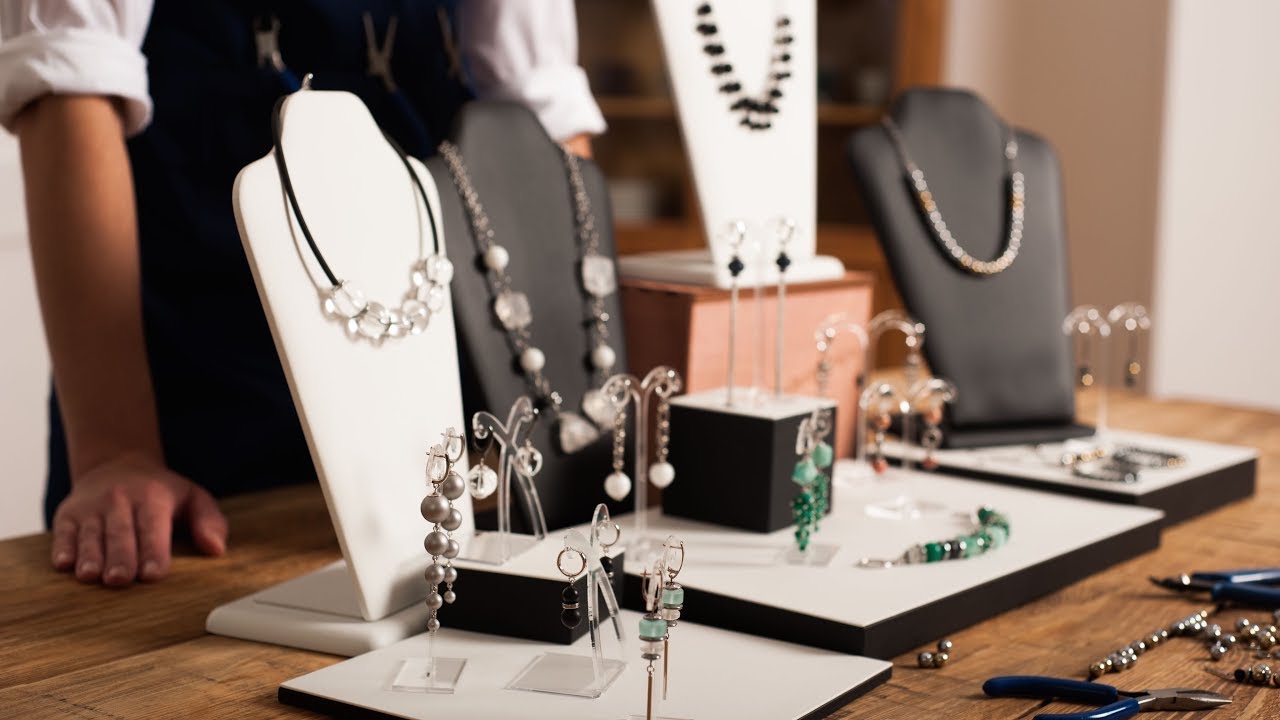
Approval of a sample should be considered a major milestone. Once the company signs off on the prototype, the authorized prototype may be used as a reference for mass manufacturing. It may be used with the technical requirements to ensure that the manufacturer is consistent.
Stone setting is another key step of jewelry manufacture that contains ornamental stones or gemstones. Stones have to be set correctly and fastened properly. The setting should improve the overall design, and also aid to preserve the stone in daily usage.
Some Custom Jewelry Manufacturer items may need extra processing like engraving, texturing, carving, etc. These touches may offer visual character and aid toward making a unique product.
From Jewelry Concept to Production-Ready Design
All personalized jewelry projects start with an idea. This idea may emerge from a hand drawing, a digital picture, reference photographs, a product that has to be modified, or a fully unique idea. The main goal at this step is to determine the visual direction of the jewelry.
And, although the idea may be simple in theory, you have to go through the technical details to get it to work. The maker has to know the required dimensions and proportions, materials, stones, finishes and building processes. “Small details can have a big impact on the end product.”
This is where digital modeling may be quite helpful. A 3D model enables designers and producers to see the planned jewelry from numerous perspectives and catch any problems before the real piece is produced. It is easier to alter dimensions and proportions during the digital development phase than during the production phase.
The design phase also includes talks on how wearable and durable it is. Jewelry ought to be pleasing to the eye and also work for its intended function. Too thin pieces, wrong settings and complex constructions might produce problems in production or durability.
A competent manufacturer may give useful insight on design development. Manufacturing experience may assist to guide if the design is feasible to manufacture, and whether small changes might enhance strength, comfort, appearance or manufacturability.
Open communication is vital at this point. The more information a business gives about its expectations, the more the manufacturer can make a correct plan of production.
Sample Development and Prototyping
After a design has been worked out, the next critical step is to make a prototype or a sample. The objective of a sample is to offer a tangible representation of the planned final product prior to larger scale manufacture.
A prototype helps companies to see parts of the jewelry that may not be evident in a digital model or sketch. When the product is physically accessible it will be possible to examine it better as for its weight, size, dimensions, finishing, stone arrangement and general look.
This step is very significant for bespoke jewelry, since the product might have unique requirements that have never been made before. A sample is a chance to discover and rectify problems before they are replicated in a big production run.
Selecting Materials and Establishing Production
Material selection is another important aspect of personalized jewelry making. The end product’s look, weight, longevity, cost and general character may be affected by the material used.
Depending on the design and market bespoke jewelry may be made of various metals and alloys, gemstones and synthetic stones, ornamental elements and finishing materials. Each has various properties and manufacturing needs.
Businesses should make their material specs explicit. This might include the kind of metal, color choices, stone needs, plating or coating preferences, surface polish, and other specifics pertinent to the design.
Material selection might also impact manufacturing procedures. Depending on the qualities of the selected material, certain designs may need unique production procedures. A competent manufacturer can assist to select the most appropriate technique with consideration design needs and manufacturing practicability.
Materials may be examined prior to the commencement of manufacturing to verify they satisfy specified requirements. The proper preparation of materials leads to uniformity in the production process.
Especially for firms with large orders, uniformity in the material is vital. Finished items might look different because the materials used to make them can vary a lot from one manufacturing batch to another. Modern industrial technology may also help traditional handicraft. Digital modeling, computer-controlled equipment, precise tools and other technology may assist with accuracy and reproducibility, but it still need great workmanship for meticulous finishing and assembly.
Another crucial factor is the efficiency of production. Producers have to arrange procedures to be rapid and of high quality. Small regions such as edges, joints, settings, etc., may need extra finishing care. Artists are able to detect areas that require improvement and create jewelry that has a pleasing visual weight.
Finish is more than just look. Proper finishing may also enhance the feel of the product overall and assist remove rough edges or other defects that might interfere with comfort.
Custom jewelry is subject to the needs of the finish. Please specify finishing requirements before manufacturing. Different designs may need different methods. The desired finish should be decided at the sample stage.
One of the first things a buyer sees is the final look of jewelry. Thus, the finishing may contribute greatly to the added value of a product as well as to the consumer happiness.
Everything in a collection should look as good as the next, so the customer has a consistent experience. A good manufacturing process does not stop when the items leave the plant. Feedback from the company might provide vital information for future manufacturing. These remarks may be included into the next order if any designs need changes or particular finishing tweaks.
Summary
The long-term connection between the Custom Jewelry Manufacturers and company may progressively increase the efficiency of the whole process. As the manufacturer becomes more acquainted with the brand’s desired specs, quality standards and manufacturing needs, repeat orders may become simpler to handle.
For bespoke jewelry makers, hiring a trusted manufacturing partner is a choice that’s made for the long run.
